BFCM 2025 is officially in the books, and the signal is loud and clear. Shoppers showed up. They spent. They converted through AI-guided journeys, flexible payment flows, and seamless brand experiences. And once again, independent merchants proved they can compete head-to-head with the biggest players in the game.
This week’s Signals breaks down the wins and the lessons. From AI-driven traffic spikes and a billion-dollar BNPL boom to Shopify entrepreneurs adding millions of new customers, the opportunity ahead is real. Now it’s about tightening the engine, not chasing the spike.
Let’s dive into what worked and what operators should carry into 2026.
BNPL officially became a BFCM power player
Cyber Monday broke records again, but the real signal this year is how people paid. BNPL drove more than $1B in online spend on Monday alone, according to Retail Dive’s breakdown of Adobe Analytics data. Consumers are still showing up, but they are looking for flexibility. That shift says a lot about where wallets are at right now.
For DTC operators, this is not just a payment toggle. It influences AOV, conversion, and how customers think about affordability. Brands that surface BNPL earlier in the journey, offer smart bundles, and keep cart UX clean are likely to capture more of that demand. Especially during tight shopping windows like this one.
💡Takeaway: If BNPL is where the intent is flowing, it needs to be where the shopper sees it first, not buried at checkout.
What’s the vibe across the D2C ecosystem right now?
“Entrepreneurs won BFCM. Again.” – Tobi Lütke
The tweet shows it plainly: BFCM 2025 was a win for independent merchants. Online sales globally hit $14.6 billion, up 27% from last year. Roughly 81 million shoppers bought from Shopify-powered brands, 15,800+ entrepreneurs made their first sale, and millions of packages are now making their way into doorsteps, proof that small and mid-size brands still hold serious power in the holiday season.
What that means for operators: this isn’t just a spike in numbers. It’s a signal that even in economic turbulence, well-positioned and nimbly-run DTC brands can thrive. For many, this BFCM weekend didn’t require huge inventory plays or ballooning ad spend, it rewarded reach, clarity, and strong fundamentals. That gives smaller or leaner brands a real shot at carving out share, even against bigger players.
If you’ve got clean creative, product-market fit, and a tight post-purchase funnel, you’re still in the game. And the 2025 numbers show that “indie” doesn’t mean “minor.”
Entrepreneurs won BFCM, again.
→ Merchants’ sales globally were $14.6 billion, up 27% from last year → 81 million shoppers bought from Shopify-powered brands → 15,800+ entrepreneurs made their first sale → 136+ million packages tracked in the Shop App → 2.2 trillion edge…
We’re data nerds so you don’t have to be. Each week we’ll bring you some data to chew on with The Data Drop.
What the data from BFCM weekend tells us… and what to double down on for 2026.
Black Friday and Cyber Monday came in hot this year. U.S. online sales hit $11.8 billion on Black Friday alone, up 9.1% YoY, and Cyber Monday is expected to surpass $14.25 billion, making it the largest single shopping day of 2025. Across the full Cyber Week stretch, consumers spent an estimated $44.2 billion online, a solid 7.7% lift from last year.
What changed this year and what brands leaned on:
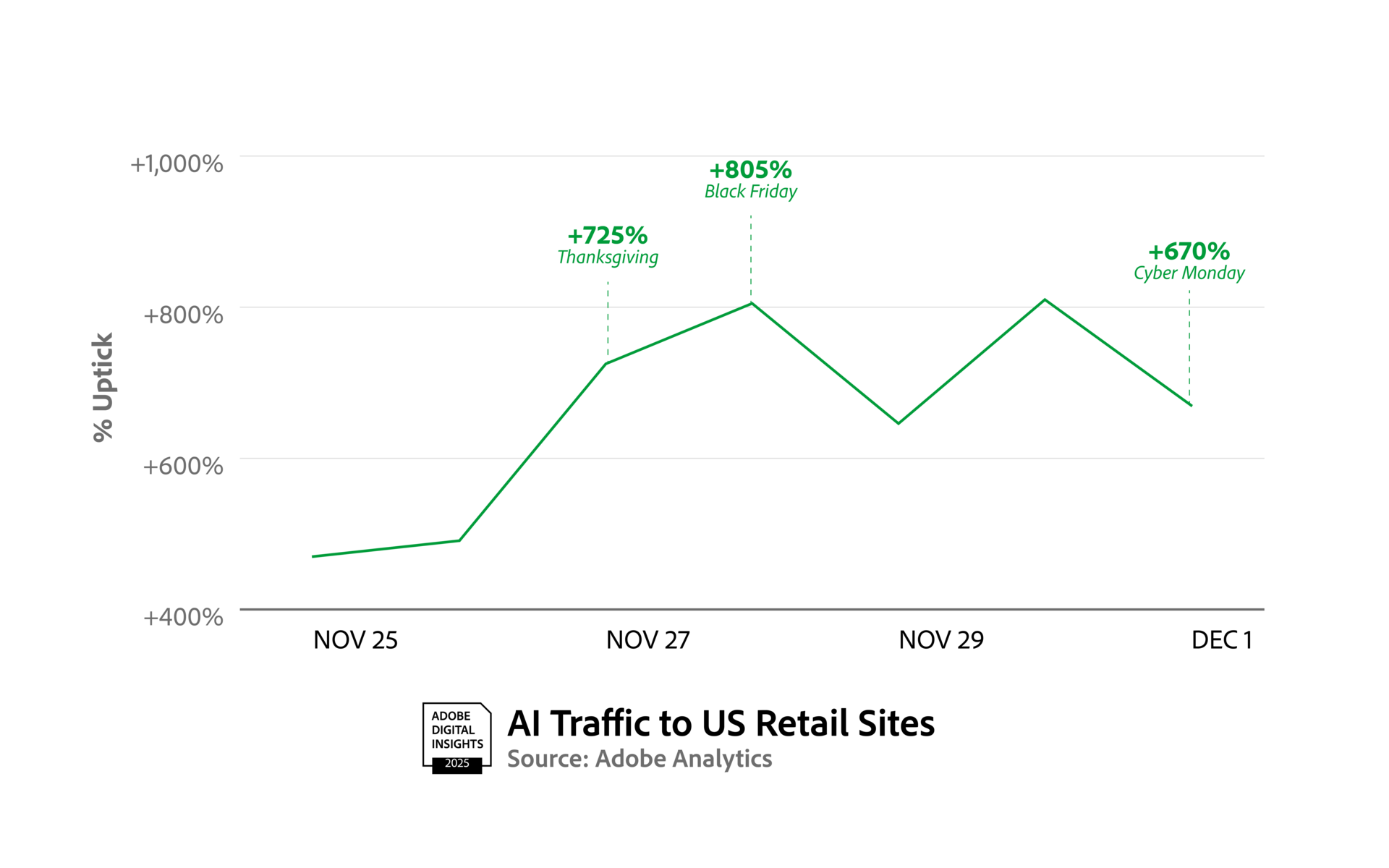
Traffic coming from AI-powered shopping tools surged, up 800%+ YoY. Customers used chatbots, price tools, and AI assistants to find deals, compare products, and checkout faster.
Flexible payment methods mattered more than ever. BNPL options drove over $1 billion in spend on Cyber Monday alone, showing clear demand for payment flexibility when budgets are tighter.
What worked and what this means for operators:
BFCM 2025 shows that the brands winning big were the ones who nailed convenience, clarity, and flexibility. It wasn’t always about deep discounts, it was about making it easy for shoppers to discover, decide, and buy.
For operators this signals a shift in advantage. If your product feeds, site speed, checkout flow, payment options and discovery tools are optimized, regardless of size, you could convert more traffic than you expect.
Proof that niche wellness brands can pop when category fit meets smart execution.
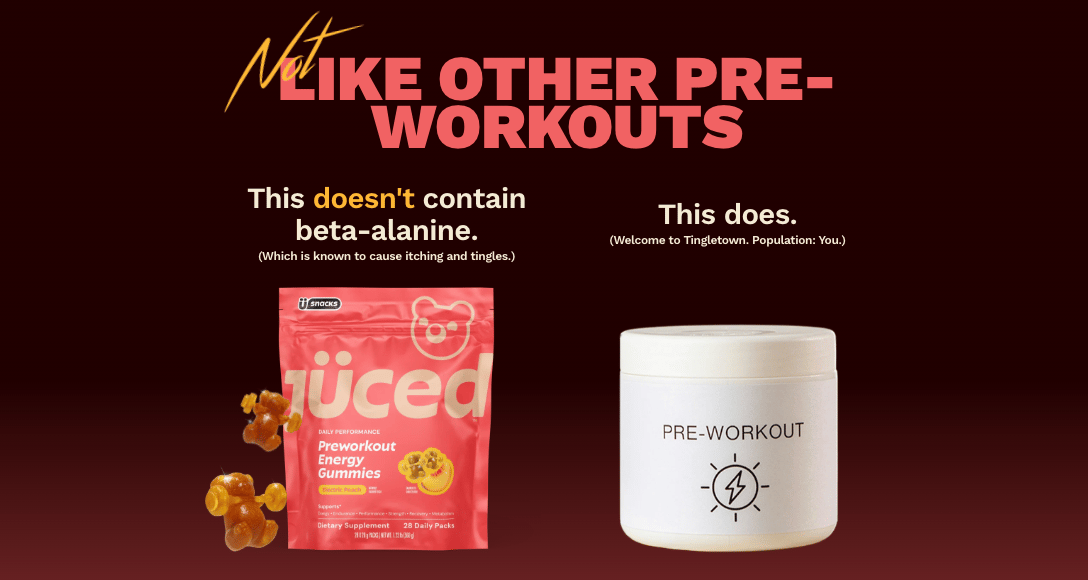
If your TikTok feed has convinced you wellness can be fun again, Juced is probably why. Built by the team behind Grüns, they are showing how influencer-led brands can turn hype into real, repeatable revenue.
What’s interesting is how they are scaling. They lean heavily into community trust and fast-moving cultural moments, while pairing that with disciplined subscription and retention mechanics behind the scenes. The lesson here: personality gets attention, but systems keep the sales flowing once the launch moment fades.
If BFCM showed us anything, it’s that fast fulfillment keeps customers coming back.
BFCM exposed something every operator knows well… logistics gets messy fast. ShipNomad solves that by helping brands ship globally without the usual headaches. Rates, customs, labeling, tracking — handled.
Their value really shows up during big spikes like last week. When orders fly and ops feel chaotic, the brands with scalable fulfillment win. If growing into new markets or smoothing out your post-purchase experience is on your 2026 list, this is one to look at.
Takeaway: Smooth shipping is the difference between a one-time buyer and a subscriber.
Behind every breakout brand moment is a creative partner that knows how to tell the story right.
If you’ve noticed Grüns everywhere lately, Raindrop is a big part of why. They’re one of the agencies proving that strong creative still matters, especially when so many promotions and messages hit consumers all at once. Their storytelling-first approach drives brand recall long after the discount countdown ends.
This year’s BFCM performance shows that trusted brands didn’t need to shout the loudest. They won because their audience already cared. Creative partners like Raindrop help build that kind of brand equity well before the sale hits and sustain it long after.
At 1-800-D2C, we spotlight the real builders behind the tools and brands featured on our site and the D2C players putting those tools to work. Let’s collab:
For Brand Founders:
List your brand on 1-800-D2C to show off your incredible tech stack.
Have an inspiring journey about building your brand? Get featured in our Under The Hood interview series and share how you’re scaling, innovating, and winning.
For Tool Founders:
List your tool on 1-800-D2C today to show off your brands and become a Friend’s Rates member. Sign up today.
Want to share the story behind your tool and how it's changing the D2C space? Fill out our founder questionnaire to get featured in our Behind The Tool interview series!