How Smart Packaging Lowers Shipping Costs & Boosts Fulfilment
Shipping costs eat into profit margins faster than most e-commerce businesses realize, and that’s why many brands now turn to Arka for custom, sustainable packaging to minimize dimensional weight and eliminate wasted space from every shipment.
This guide breaks down how intelligent packaging design, from right-sizing strategies to lightweight sustainable materials and data-driven optimization tools, can cut freight expenses by 25-40% while simultaneously improving fulfillment efficiency and reducing environmental impact.
How Dimensional Weight Drives Up Parcel Spend
Carriers like UPS, FedEx, and USPS calculate shipping costs using dimensional weight (DIM weight), a pricing method that charges based on package volume rather than actual weight. The formula divides a package's length × width × height by a divisor (typically 139 for domestic shipments). A lightweight item in an oversized box can cost as much to ship as a heavy item in a compact package.
Here's a real example: a small electronic device weighing one pound in a 12×10×8 inch box gets charged for 7 pounds of dimensional weight. The same product in an 8×6×4 inch box drops to just 1.4 pounds. That difference adds up quickly across thousands of shipments.
What Makes Packaging Smart Today
Smart packaging combines strategic design, lightweight materials, and data-driven optimization to minimize shipping costs while maintaining product protection. Unlike traditional packaging that uses standard box sizes with excess filler materials, intelligent solutions match container dimensions precisely to product requirements.
Modern smart packaging incorporates three key elements that work together. First, it uses algorithmic tools to calculate optimal box dimensions. Second, it leverages lightweight sustainable materials that provide protection without adding unnecessary weight. Third, it includes modular designs that adapt to different product combinations.
Smart Sensors And Data Labels
IoT-enabled packaging includes sensors and QR codes that track shipment conditions throughout the supply chain. The technology monitors temperature, humidity, shock events, and location data. While primarily used for high-value or perishable goods, the data collected helps companies refine packaging protection levels and identify cost-saving opportunities.
Algorithmic Cartonization Software
Cartonization systems analyze order contents and recommend the smallest suitable box from available inventory. The platforms integrate with warehouse management systems to automate packaging decisions at the fulfillment stage. Businesses typically reduce package volume by 30-40% compared to manual selection methods.
Modular Pack Designs And Inserts
Adjustable packaging systems use score lines, removable panels, or configurable inserts to accommodate varying product sizes within a single box design. This flexibility reduces packaging SKU complexity while maintaining right-sized efficiency. Modular approaches work particularly well for businesses with seasonal product mixes or frequent new product launches.
Right-Sizing Strategies That Slash Wasted Space
Right-sizing eliminates the gap between product dimensions and package dimensions, directly attacking the root cause of dimensional weight penalties. Even a one-inch reduction in any dimension can drop a package into a lower pricing tier with many carriers.
1. Custom Dielines For Perfect Fit
Custom dielines are packaging templates engineered around exact product measurements rather than standard industry sizes. This precision approach eliminates the need for void fill materials in many cases, reducing both material costs and package volume.
- Product-specific measurements: Boxes designed to match actual item dimensions with minimal clearance
- Multi-product configurations: Single designs that accommodate common product bundles without excess space
- Seasonal adaptability: Templates that work efficiently across different product volumes throughout the year
2. Multi-Depth Or Score-And-Fold Cartons
Multi-depth boxes feature pre-scored fold lines at multiple heights, allowing packers to customize box depth based on contents. A single box design can replace three or four standard sizes, simplifying inventory while maintaining right-sized efficiency. The flexibility reduces the likelihood of choosing an oversized container when the perfect size isn't readily available.
3. Flat Mailers For Apparel And Documents
Poly mailers and padded flat envelopes eliminate dimensional weight concerns entirely for non-fragile items. The packages conform to contents rather than maintaining rigid dimensions, so they often qualify for lower-cost envelope rates instead of parcel pricing. Apparel brands and document shippers can save 40-60% on shipping costs by switching from boxes to appropriately protective mailers.
Lightweight Sustainable Materials That Beat DIM Fees
Material selection directly impacts both actual weight charges and environmental footprint. Modern eco-friendly alternatives often weigh less than traditional packaging materials while providing equivalent or superior protection.
Molded Pulp And Honeycomb Paperboard
Molded pulp packaging, made from recycled paper fibers, weighs significantly less than foam or plastic alternatives while cushioning products effectively. Honeycomb paperboard uses a cellular structure that provides rigidity with minimal material, often replacing heavier corrugated dividers. Both materials biodegrade naturally and reduce shipping weight by 20-30% compared to traditional protective packaging.
Recycled E-Flute Corrugate
E-flute corrugated cardboard is the thinnest corrugated profile commonly used for shipping boxes, measuring just 1/16 inch thick. Despite the reduced material, it maintains sufficient crush resistance for most e-commerce products. Switching from standard C-flute to E-flute can reduce package weight by 15% while using 100% recycled content.
Padded Kraft Mailers With Paper Fill
Kraft paper mailers with biodegradable padding replace plastic bubble mailers without compromising protection. When void fill is necessary, crinkle paper or corrugated rolls provide cushioning at a fraction of the weight of bubble wrap or foam peanuts. Paper-based solutions typically add 40-50% less weight than plastic alternatives.
Hidden Costs Smart Packaging Eliminates Beyond Freight
Shipping charges represent the most visible packaging expense, but secondary costs often equal or exceed direct freight savings. Smart packaging creates a ripple effect of efficiency improvements throughout warehouse operations.
Warehouse Storage Cube Reduction
Smaller package footprints mean higher storage density for both empty packaging materials and packed inventory awaiting shipment. A 30% reduction in average package size can increase warehouse capacity by 20% without facility expansion.
Faster Pick And Pack Labor
Standardized, right-sized packaging simplifies packing decisions and reduces the time workers spend selecting materials and applying void fill. Streamlined processes typically reduce pack time by 15-25 seconds per order. For high-volume operations processing thousands of daily orders, this translates to significant labor cost savings.
Fewer Damage-Related Returns
Better-fitting packaging often provides superior protection compared to oversized boxes with loose fill, which allows products to shift during transit. Reduced damage rates directly decrease replacement costs, return shipping expenses, and customer service overhead.
Step-By-Step Plan To Pilot And Measure Savings
Transitioning to smart packaging requires a methodical approach to ensure measurable results. Starting with a pilot program allows you to validate savings before full implementation.
1. Audit Current SKU And Shipment Data
Begin by analyzing six months of shipping data to identify your highest-volume products and most common box sizes. Calculate the average dimensional weight versus actual weight for shipments to quantify the opportunity. This baseline establishes clear metrics for measuring improvement after implementation.
2. Design And Prototype Smart Packs
Work with packaging suppliers to create optimized designs based on your audit findings. Focus first on your top 20% of products by volume, which typically represent 80% of shipping costs. Request samples and conduct drop tests to verify protection levels before committing to production quantities.
3. Run A/B Shipping Tests And Track KPIs
Ship identical products using both old and new packaging for 30-60 days while tracking shipping costs, damage rates, and packing time. This controlled comparison provides concrete data on savings and identifies any adjustments needed.
How Smart Packaging Accelerates Fulfilment Throughput
Packaging optimization extends beyond cost reduction to improve overall warehouse productivity. Well-designed packaging systems reduce decision fatigue for warehouse staff and create smoother material flow.
Streamlined Inbound Palletisation
Standardized packaging dimensions allow for more efficient palletization and receiving processes. When boxes stack uniformly, warehouse teams can unload and shelve inventory faster.
Automation-Friendly Box Footprints
Conveyor systems, automated sorters, and robotic handling equipment work most effectively with consistent package dimensions. Irregular or oversized boxes often require manual handling, creating bottlenecks in automated fulfillment centers.
Easier Customer Returns Handling
Packaging designed for easy opening and reclosing simplifies the returns process for both customers and warehouse staff. When customers can reuse original packaging for returns, businesses save on reverse logistics costs.
Why Custom Eco-Friendly Packaging From Arka Maximises ROI
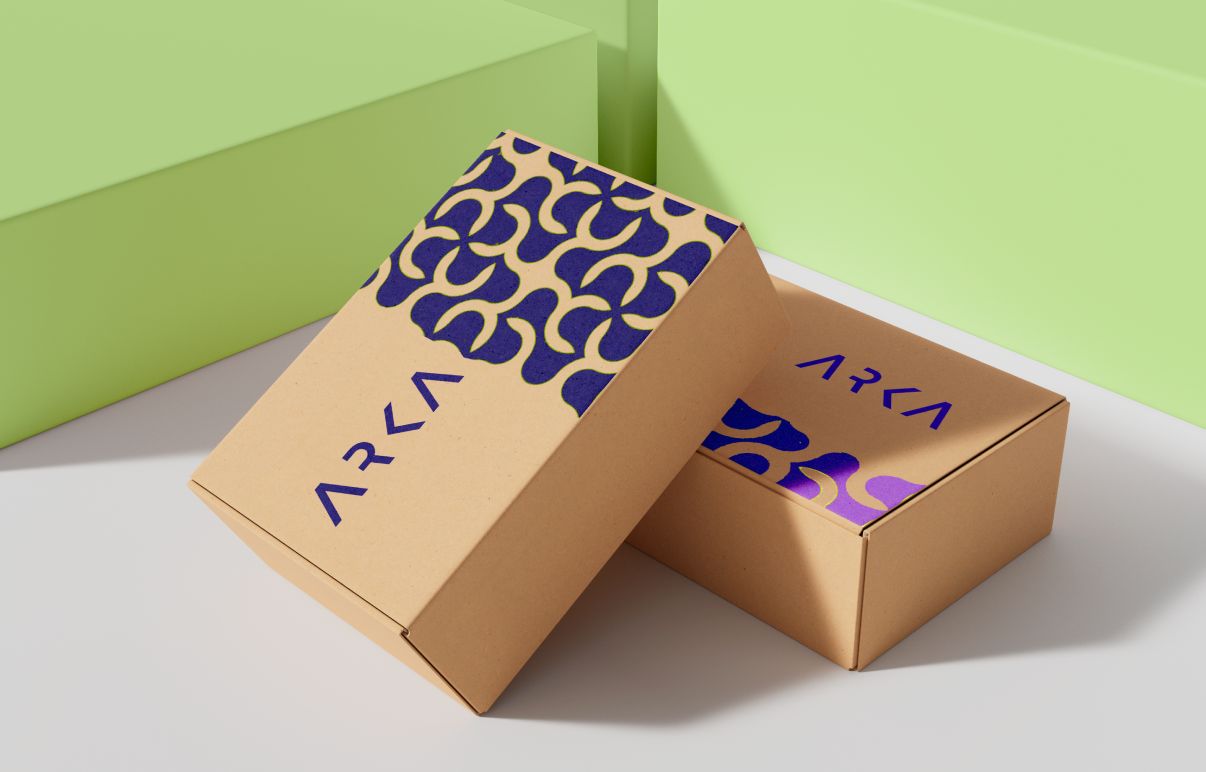
Arka specializes in designing sustainable packaging solutions that address both cost reduction and environmental responsibility simultaneously. The platform allows businesses to design and order packaging tailored to specific product dimensions, ensuring optimal fit without excess material.
The company's focus on sustainable materials, including recycled corrugate, biodegradable mailers, and compostable options, reduces shipping weight while appealing to environmentally conscious consumers. Start designing your custom eco-friendly packaging online to see how right-sized sustainable solutions can transform your shipping economics.
- Sustainable materials: Recycled and biodegradable options that reduce shipping weight
- Custom sizing: Precise dimensions engineered to eliminate dimensional weight penalties
- Design flexibility: Branded packaging that enhances customer experience while cutting costs
Final Thoughts
Smart packaging turns shipping from a cost drain into a competitive advantage. By eliminating wasted space, choosing lighter sustainable materials, and using data to guide packaging decisions, brands can cut DIM fees, speed up fulfillment, and reduce damage, all at once.
With custom right-sized solutions from Arka, it becomes even easier to lower shipping costs while delivering a smoother, more sustainable customer experience.