






Home
Beauty

Direct-to-consumer (D2C) beauty and makeup brands have revolutionized the cosmetics industry by offering innovative products and personalized shopping experiences. These brands prioritize quality, inclusivity, and sustainability. For example, one prominent D2C brand specializes in clean beauty, providing makeup and skincare products with natural and non-toxic ingredients, appealing to health-conscious consumers. Another brand stands out for its wide range of shades, catering to diverse skin tones and celebrating inclusivity. Additionally, some D2C companies prioritize sustainability by using eco-friendly packaging and promoting ethical practices in their supply chain.
D2C beauty and makeup brands are important because they cut out traditional retail intermediaries, allowing them to offer premium products at competitive prices. They also focus on product quality, inclusivity, and sustainability, aligning with the values and preferences of today's beauty-conscious consumers. With their unique features and tailored approaches, D2C brands have transformed the beauty industry, making it more accessible and sustainable for consumers.

Tracie Martyn is a premium skincare brand known for its clean, non-toxic formulations and holistic approach to beauty. Co-founded by celebrity facialist Tracie Martyn, the brand combines natural botanicals with cutting-edge technology to deliver visible results without harmful chemicals. Their product range includes anti-aging serums, cleansers, masks, and moisturizers loved by celebrities and skincare enthusiasts alike.

Ranavat is a premium skincare brand inspired by Ayurvedic rituals and crafted with potent botanical ingredients traditionally reserved for royalty. Their collection includes serums, masks, and treatments that combine modern science with ancient Indian wisdom to rejuvenate and nourish the skin. With a commitment to clean formulations and sustainable sourcing, Ranavat delivers both indulgence and efficacy.

Alleyoop is a beauty brand with products that are extremely efficient. With its reimagined razors and multitasking makeup brush and versatile formulas, Alleyoop is made for women with no time or space to spare.

Oh My Cream is a French beauty retailer offering clean, expert-curated skincare, makeup, and wellness products. Focused on transparency and efficacy, the brand features cult-favorite and emerging labels, helping customers build effective, personalized beauty routines.
Sculpted by Aimee is an award-winning Irish beauty brand created by makeup artist Aimee Connolly, offering easy-to-use, multi-purpose products for a flawless, radiant look. With a focus on skin-loving ingredients and versatile formulas, the brand empowers beauty routines that are both effortless and effective. It’s smart, sculpted beauty for everyday confidence.

Glow Recipe delivers fruit-powered, clinically effective skincare rooted in Korean beauty philosophies, with products like the Watermelon Glow line and Cloudberry Bright Cream. All items are vegan, cruelty-free, and packaged sustainably—reflecting their clean beauty mission and carbon-neutral commitment. Available at Sephora and key global retailers, Glow Recipe merges playful textures with meaningful results and inclusive messaging

Rare Beauty is an inclusive, vegan, and cruelty-free makeup brand founded by singer and actress Selena Gomez in 2020. The brand aims to break down unrealistic standards of perfection and promote mental health initiatives. Rare Beauty offers a diverse range of 48 foundation and concealer shades, as well as other makeup products like liquid blush, lip oils, and body care.
.avif)
Musee specializes in crafting handmade bath products, including bath balms, soaps, and candles, with a focus on natural ingredients and skin-safe formulations. Their products, often themed and designed for relaxation and care, support various causes, including partnerships with organizations like St. Jude Children's Research Hospital to contribute to meaningful causes.

Our intelligent Skin AI ® algorithm creates your optimal skincare system—four products that work perfectly together to target multiple goals. Our quiz analyzes Y’OUR Four Factors: how your skin acts naturally, what you expose it to, the way you treat it, and the positive changes you want to see.
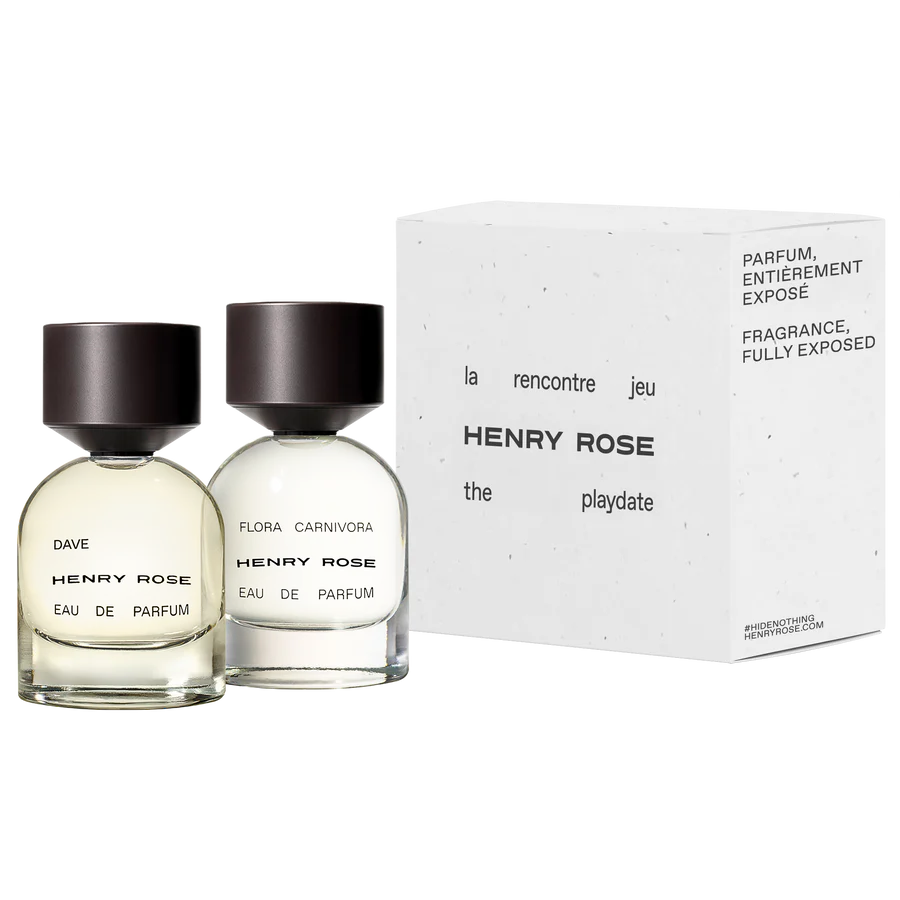
Henry Rose is a clean fragrance brand founded by Michelle Pfeiffer, offering genderless scents crafted with complete ingredient transparency. The company blends luxury perfumery with rigorous safety standards, using sustainable materials and responsible sourcing to deliver fragrances that are as safe as they are sophisticated.
Creating a successful Direct-to-Consumer (DTC) beauty brand in today's competitive market requires a blend of strategic product development, savvy marketing, and an exceptional customer experience. Here are key factors that contribute to making a winning DTC beauty brand:
A winning DTC beauty brand clearly communicates its Unique Value Proposition—what sets it apart from competitors. This could be a focus on sustainability, a commitment to using all-natural ingredients, or innovative product formulations. The UVP should resonate with the brand's target audience and be reflected in every aspect of the business.
The core of any beauty brand is its products. Successful DTC beauty brands invest in research and development to create high-quality products that deliver on their promises. This includes efficacy, safety, packaging, and the overall user experience. Products should cater to the specific needs and preferences of the target demographic.
A compelling brand identity and storytelling are crucial. This involves a consistent and appealing aesthetic across all platforms, engaging content that tells the brand's story, and a tone of voice that connects with the target audience. Storytelling helps to build an emotional connection with customers, making them more likely to remember and choose your brand over others.
A winning DTC brand maximizes its online presence through a user-friendly website, strategic use of social media, and engaging digital marketing strategies. This includes SEO-optimized content, influencer partnerships, and targeted ads. The online experience should be seamless, from discovery to checkout, with mobile optimization being a key consideration.
Personalization enhances the customer experience by making shoppers feel valued and understood. This can include personalized product recommendations, customized packaging, or tailored beauty regimens. Advanced data analytics can help in understanding customer preferences and behavior, allowing brands to tailor their offerings accordingly.
Building a community around the brand can foster loyalty and advocacy. This can be achieved through social media engagement, loyalty programs, and by creating spaces for customers to share their experiences and connect with each other, such as online forums or beauty events.
Sustainability and ethical practices are increasingly important to consumers. A winning DTC beauty brand incorporates these into its business model, from sourcing ingredients and manufacturing processes to packaging and distribution. Transparency about these practices can further build trust and loyalty among consumers.
Efficiency in operations and having a responsive supply chain are essential for meeting customer demand and expectations. This includes effective inventory management, fast and reliable shipping, and the ability to quickly adapt to market changes or supply chain disruptions.

Everything you need to build a better D2C brand, business and tech stack.


.png)