












Home
Lifestyle

Direct-to-consumer (D2C) lifestyle brands have redefined the retail landscape by offering consumers a curated selection of products that resonate with their values and preferences. These brands prioritize authenticity, quality, and convenience. For instance, one notable D2C lifestyle brand specializes in sustainable fashion, producing clothing from eco-friendly materials and advocating for ethical manufacturing practices. Another brand focuses on home decor and furnishings, offering chic and affordable pieces designed to elevate living spaces. Additionally, some D2C companies cater to outdoor enthusiasts, providing high-quality gear and accessories for adventurers seeking both performance and style.
D2C lifestyle brands are important because they eliminate the need for traditional retail middlemen, enabling them to deliver unique and often eco-conscious products directly to consumers. They prioritize product quality, design, and ethical considerations, aligning with the evolving preferences of today's conscious consumers. With their curated offerings and tailored experiences, D2C brands have reshaped the way consumers engage with lifestyle products, making it more convenient and values-driven to enhance various aspects of their lives.


SUPER73 is an American lifestyle adventure brand fusing motorcycle heritage and youth culture. Founded in 2016 and based in Southern California, SUPER73 has led the charge in pioneering a new approach to help redefine the electric motorbike industry.
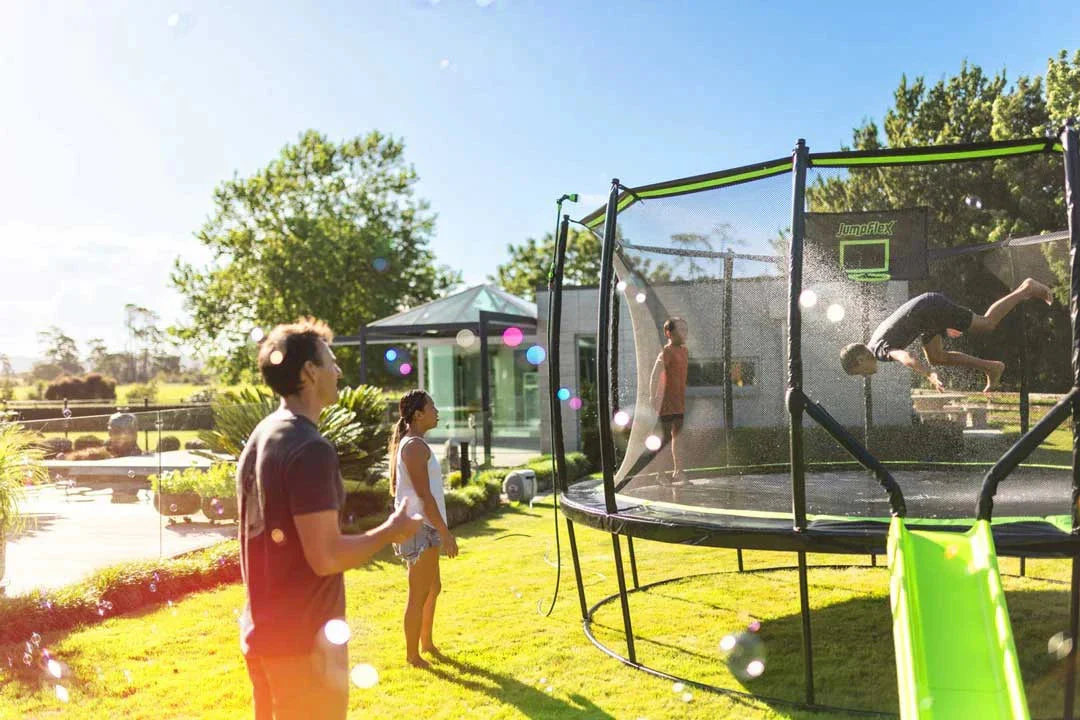
Jumpflex offers high-performance trampolines built to combine family fun with lasting safety, incorporating features like advanced steel frames, knot-free safety netting, and ease of assembly. The brand's thoughtfully engineered products provide strong bounce quality, extended warranties, and trusted safety credentials—making them a standout in the outdoor play and fitness space

Twinkle Star Tours and Safaris is an established and highly regarded tour operator based in Nairobi, Kenya, New York and Taiwan specializing in crafting customized and unforgettable safari and holiday experiences across East Africa.

Hobigo is a quirky 3D printing brand creating fun, functional, and expressive products for Gen Z and millennials. From desk essentials to unique gifting ideas, every piece is designed to add personality and creativity to everyday life. With Pan-India delivery and presence on Amazon, Flipkart, and Meesho, Hobigo makes imagination usable.

Invisible Creature is a creative studio specializing in illustration, graphic design, branding, packaging, and storytelling across print, digital, and physical media. Their work ranges from album covers, murals, and product graphics to art books, toys, and large-scale visual campaigns, with a strong emphasis on craftsmanship, narrative, and artistry. Led by brothers Don and Ryan Clark, they balance client projects with self-driven, expressive ventures that push creative boundaries.
Unreasonable Hospitality delivers training, coaching, and experiential gatherings that help organizations reimagine service by creating moments that exceed expectations. Founded by restaurateur Will Guidara, the brand builds frameworks and practices that institutionalize extraordinary guest experiences and care. Their offerings span summits, workshops, publications, and custom engagements designed to transform culture and loyalty.

Plum Paper designs personalized planners, notebooks, and stationery that can be tailored to individual needs and lifestyles. Their products combine functionality and creativity, making them ideal for students, professionals, and anyone seeking stylish organization.
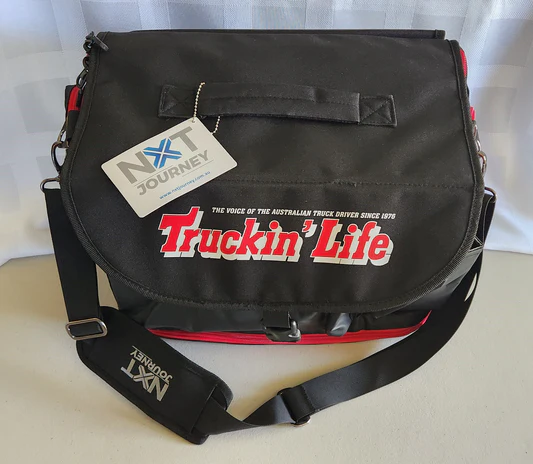
Truckin Life Magazine is an iconic Australian publication that highlights the people, culture, and machines behind the country’s trucking industry. Known for its compelling stories, striking photography, and strong community following, the magazine connects drivers, enthusiasts, and industry insiders. In addition to print content, Truckin Life also offers branded apparel and memorabilia.

Trucking Start-Up Services specializes in guiding aspiring trucking entrepreneurs through the complex process of launching their businesses. From registering DOT and MC numbers to setting up LLCs and managing compliance filings, they provide end-to-end support to ensure new carriers meet all legal and operational requirements. With personalized consulting and expert assistance, they simplify the path to becoming a successful trucking company owner.

Hodson Motors consists of a Las Vegas-based father-son duo who create custom-restored classic trucks and host live-entry giveaways funded through sales of branded apparel, auto parts, tools, snacks, and accessories. Their engaging online community and regular giveaways—broadcast via social media—are fueled by merchandise purchases that double as contest entries. With a motto of “smiles per gallon,” Hodson Motors blends automotive craftsmanship, entertainment, and e-commerce into a unique fan-driven brand experience.
A successful Direct-to-Consumer (DTC) lifestyle brand goes beyond merely selling products; it sells an experience, a set of values, and a way of life that resonates deeply with its target audience. Here are key elements that contribute to the success of a DTC lifestyle brand:
Successful DTC lifestyle brands have compelling narratives that connect with their audience on an emotional level. These stories often reflect the brand's mission, values, and the journey of its founders. Authenticity in storytelling helps build trust and loyalty among consumers, making the brand relatable and memorable.
Understanding the brand's target audience is crucial. Successful brands have a clear picture of their ideal customers, including their preferences, challenges, and aspirations. This knowledge enables the brand to tailor its products, messaging, and marketing strategies to meet the specific needs and desires of its audience.
A strong, consistent brand identity across all touchpoints — including product design, packaging, website, and social media — helps reinforce the brand's image and values. Consistency helps in creating a recognizable and cohesive experience for consumers, which is key to building brand recognition and loyalty.
While the lifestyle brand encompasses more than just its products, offering high-quality, innovative products is fundamental. The products should not only meet but exceed customer expectations, delivering on the brand's promises and contributing to the overall lifestyle the brand promotes.
A successful DTC lifestyle brand excels in creating an engaging, seamless online experience for its customers. This includes a visually appealing, easy-to-navigate website, active and engaging social media presence, and effective use of content marketing to communicate the brand's lifestyle and values.
Building a community around the brand is a powerful way to engage customers and foster loyalty. Successful brands often create spaces — both online and offline — for customers to connect, share experiences, and feel part of the brand's broader lifestyle. This sense of belonging can turn customers into brand advocates.
Consumers are increasingly looking for brands that align with their values, particularly regarding sustainability and social responsibility. Successful lifestyle brands often incorporate sustainable practices, ethical sourcing, and give-back programs into their business models, appealing to the conscientious consumer.
Offering personalized or customized products can significantly enhance the customer experience, making consumers feel unique and valued. This level of personalization can differentiate a brand in a crowded market.
Exceptional customer service and a focus on providing a positive customer experience at every touchpoint are essential. This includes everything from the user experience on the website to customer support and the unboxing experience.
Finally, successful DTC lifestyle brands are agile and responsive to market trends, consumer feedback, and data insights. They are continually iterating on their products, marketing strategies, and operations to better serve their customers and stay ahead of the competition.

Everything you need to build a better D2C brand, business and tech stack.


.png)


